Why Most Shared Calendars Fail (And How to Actually Use Them)
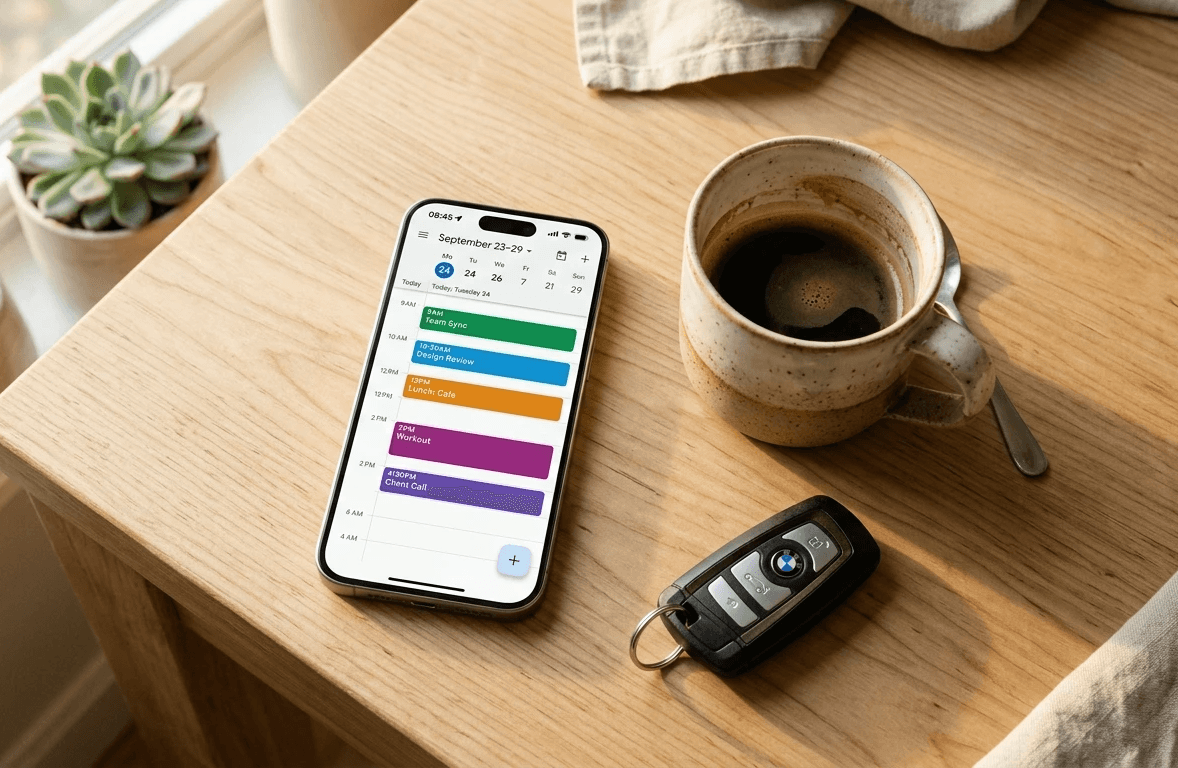
Most families start with a shared digital calendar because it seems like the logical solution to the "who is doing what" problem. You invite your partner to a Google Calendar or download an app like Cozi, expecting the coordination to happen naturally.
But a few months in, the same pattern emerges: one person is still the "admin," manually entering every dentist appointment and school spirit day, while the other person rarely checks the app unless they are reminded to do so.
If you are currently frustrated with your family’s digital setup, it’s likely not because the technology is broken. It’s because the calendar is being used for task delegation rather than outcome ownership.
Why Traditional Shared Calendars Don't Work
For many default parents (the person who holds the household’s complete operational map), a shared calendar often becomes just another "container" for the same mental load.
The structural failure of most calendar apps is that they focus on the event (the 4:00 PM soccer practice) rather than the thinking required to make that event happen. Research from Harvard sociologist Allison Daminger identifies that cognitive labor has four stages: anticipating, identifying, deciding, and monitoring.
When you simply put an item on a shared calendar, you are usually only transferring the "doing" phase. The default parent is still stuck with the most exhausting parts:
Anticipating: Noticing that the toddler needs a check-up next month.
Identifying: Finding a time that works and checking the insurance.
Monitoring: Reminding their partner that the appointment they agreed to drive to is actually happening tomorrow.
The Difference Between "Helping" and "Owning"
The phrase that defines this frustration is "I shouldn't have to ask". When a partner says, "Just put it on the calendar and I'll do it," they are offering to help with a task. But the act of "putting it on the calendar" is a management task in itself.
To truly share the mental load with your partner, the goal must shift toward Outcome Ownership.
If your partner is "Helping"... | If your partner "Owns" the outcome... |
They wait for you to add the appointment to the calendar. | They anticipate the need and book the appointment themselves. |
They ask you where the soccer cleats are before leaving. | They notice the cleats are too small and order the next size up. |
They need a notification to remember the school's "Crazy Sock Day". | They track the school emails and buy the socks ahead of time. |
When one partner "owns" a domain—like school logistics or pet care—the other person’s brain gets to actually turn off for that entire category.
How to Actually Use a Shared System
If you are a "Cozi-exiter" looking for a better way to manage your home life, the secret isn't finding a more complex app; it's using a tool that prioritizes visibility and frictionless adoption.
Reduce Friction for the Reluctant Partner: Partner adoption is the biggest hurdle in family tech. The system shouldn't require your partner to be a "project manager." It should give them a clear, forward-looking view of the day without overwhelming them with red "overdue" alerts that trigger shame.
Move From Tasks to Domains: Instead of assigning individual chores, try assigning an entire domain for one week. For example, "You own the kitchen this week." This means they don't just do the dishes; they notice when the soap is low and decide what’s for dinner.
Establish a Regular Weekly Rhythm: No app replaces a regular weekly rhythm. Spend 15 minutes together looking at the "operational map" for the week ahead. This moves the "knowing" out of the default parent's head and into a shared space where both people can act on it.
At its core, a household management system shouldn't just make the "manager" more efficient. It should dissolve the manager role entirely so that both of you can stop running a household and start being a family again.